


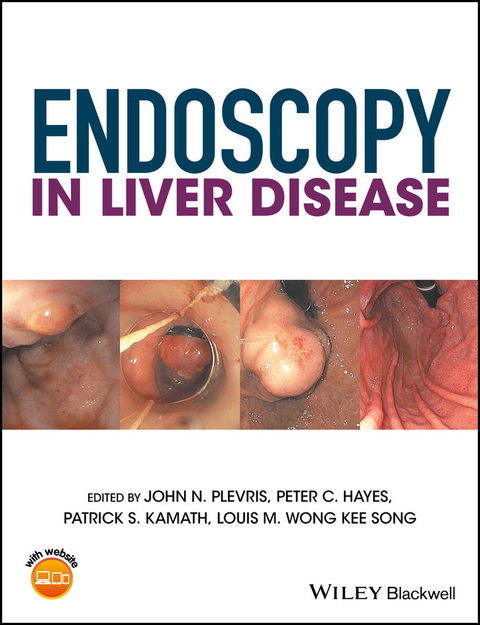
Liver disease is an increasingly common cause of mortality, and its management is often complex and challenging. Endoscopy has in recent times undergone a period of rapid progress, with numerous novel and specialized endoscopic modalities that are of increasing value in the investigation and management of the patient with liver disease. As the technology in endoscopy expands, both as a diagnostic and interventional procedure, so does the role of the endoscopist in liver disease.
This full colour book and companion website offer a comprehensive guidance as to when, why, and how to perform endoscopy to best manage your patients.
- Brings together two key areas - liver disease and endoscopy - into one expert clinical textbook
- Covers the entire spectrum of clinical problems that gastroenterologists and endoscopists face while managing patients with liver disease
- Includes the latest management guidelines from the key international societies, such as the ASGE, AASLD, EASL and BSG
- Well illustrated with over 150 high-quality colour images
- 11 high-quality videos illustrating optimum endoscopy practice, all clearly referenced in the text
An indispensable tool for all gastroenterologists, hepatologists and endoscopists, Endoscopy in Liver Disease is perfect for learning how to perform endoscopy safely and effectively in the patient population with liver disorders.
Edited by
JOHN N. PLEVRIS, Professor and Consultant in Gastroenterology and Hepatology, Centre for Liver and Digestive Disorders, The Royal Infirmary, University of Edinburgh, UK
PETER C. HAYES, Professor of Hepatology, Liver Unit, The Royal Infirmary, University of Edinburgh, UK
PATRICK S. KAMATH, Professor of Medicine, Division of Gastroenterology and Hepatology, Mayo Clinic, Rochester, Minnesota, USA
LOUIS M. WONG KEE SONG, Professor of Medicine, Division of Gastroenterology and Hepatology, Mayo Clinic, Rochester, Minnesota, USA
Liver disease is an increasingly common cause of mortality, and its management is often complex and challenging. Endoscopy has in recent times undergone a period of rapid progress, with numerous novel and specialized endoscopic modalities that are of increasing value in the investigation and management of the patient with liver disease. As the technology in endoscopy expands, both as a diagnostic and interventional procedure, so does the role of the endoscopist in liver disease. This full colour book and companion website offer a comprehensive guidance as to when, why, and how to perform endoscopy to best manage your patients. Brings together two key areas liver disease and endoscopy into one expert clinical textbook Covers the entire spectrum of clinical problems that gastroenterologists and endoscopists face while managing patients with liver disease Includes the latest management guidelines from the key international societies, such as the ASGE, AASLD, EASL and BSG Well illustrated with over 150 high-quality colour images 11 high-quality videos illustrating optimum endoscopy practice, all clearly referenced in the text An indispensable tool for all gastroenterologists, hepatologists and endoscopists, Endoscopy in Liver Disease is perfect for learning how to perform endoscopy safely and effectively in the patient population with liver disorders.
Edited by JOHN N. PLEVRIS, Professor and Consultant in Gastroenterology and Hepatology, Centre for Liver and Digestive Disorders, The Royal Infirmary, University of Edinburgh, UK PETER C. HAYES, Professor of Hepatology, Liver Unit, The Royal Infirmary, University of Edinburgh, UK PATRICK S. KAMATH, Professor of Medicine, Division of Gastroenterology and Hepatology, Mayo Clinic, Rochester, Minnesota, USA LOUIS M. WONG KEE SONG, Professor of Medicine, Division of Gastroenterology and Hepatology, Mayo Clinic, Rochester, Minnesota, USA
List of Contributors vii
Preface xi
About the Companion Website xii
1 Equipment, Patient Safety, and Training 1
John N. Plevris and Scott Inglis
2 Sedation and Analgesia in Endoscopy of the Patient with Liver Disease 19
Rohit Sinha, Anastasios Koulaouzidis, and John N. Plevris
3 Endoscopy in the Setting of Coagulation Abnormalities in the Patient with Liver Disease 29
Bezawit Tekola and Stephen Caldwell
4 Varices: Screening, Staging, and Primary Prophylaxis 43
Alan Bonder, Ignacio Alfaro, and Andres Cardenas
5 Endoscopic Management of Acute Variceal Bleeding 55
Marcus C. Robertson and Peter C. Hayes
6 Prevention of Recurrent Bleeding from Esophageal Varices 97
Annalisa Berzigotti, Fanny Turon, and Jaime Bosch
7 Refractory Variceal Bleeding: When First Endoscopy Fails, What Next? 111
Virginia Hernández?]Gea, Fanny Turon, and Juan Carlos García?]Pagán
8 Portal Hypertensive Gastropathy and Gastric Vascular Ectasia 119
Cristina Ripoll and Louis M. Wong Kee Song
9 Portal Hypertensive Enteropathy and Obscure Gastrointestinal Bleeding 143
Anastasios Koulaouzidis, Emanuele Rondonotti, and Roberto de Franchis
10 Endoscopic Management of Upper Gastrointestinal Pathology in the Patient with Liver Disease 155
Selina Lamont and Adrian Stanley
11 Colonoscopic Screening and Surveillance in the Patient with Liver Disease (Including Post?]Transplant) 173
William M. Tierney and Khadija Chaudrey
12 Endoscopic Retrograde Cholangiopancreatography and Cholangioscopy in Hepatobiliary Disease 195
Klaus Mönkemüller, Giovani E. Schwingel, Alvaro Martinez?]Alcala, and Ivan Jovanovic
13 Endoscopic Ultrasound in the Diagnosis of Hepatobiliary Malignancy 229
Michael J. Levy , Larissa Fujii?]Lau, Julie K. Heimbach, and Gregory J. Gores
14 Endoscopic Ultrasound Guided Biliary Drainage 245
Mouen A. Khashab, Shyam Varadarajulu, and Robert H. Hawes
15 Hepatobiliary Endoscopy in the Patient with Liver Disease and Altered Anatomy 259
Stuart K. Amateau and Raj J. Shah
16 Management of Post?]Liver Transplant Hepatobiliary Complications 279
Ryan Law, Larissa Fujii?]Lau, and Todd H. Baron
17 Endoscopic Confocal and Molecular Imaging in Hepatobiliary Disease 295
Michael S. Hoetker and Martin Goetz
18 Laparoscopy in Patients with Hepatobiliary Disease 305
Tom K. Gallagher, Ewen M. Harrison, and O. James Garden
Index 323
1
Equipment, Patient Safety, and Training
John N. Plevris1 and Scott Inglis2
1 Professor and Consultant in Gastroenterology, Centre for Liver and Digestive Disorders, Royal Infirmary of Edinburgh, University of Edinburgh, Edinburgh, Scotland, UK
2 Senior Clinical Scientist and Honorary Lecturer, Medical Physics, NHS Lothian/University of Edinburgh, Royal Infirmary of Edinburgh, Edinburgh, Scotland, UK
Introduction
Liver disease and cirrhosis remain common causes of morbidity and mortality worldwide [1–3]. The significant advances in our understanding and treatment of liver disease, including liver transplantation over the last 25 years, have resulted in hepatology increasingly becoming a separate specialty. Although in many countries hepatologists have received background training in gastroenterology and endoscopy, subspecialization often means that they are no longer practicing endoscopists.
On the other hand, there are healthcare systems where hepatologists come from an internal medicine background with no prior training in endoscopy. It is therefore important for the modern hepatologist to have a full appreciation and up to date knowledge of the potential of endoscopy in liver disease and to ensure that there is a close collaboration between hepatology and endoscopic departments. In parallel to this, endoscopy has undergone a period of rapid expansion with numerous novel and specialized endoscopic modalities that are of increasing value in the investigation and management of the patient with liver disease.
The role of endoscopy in liver disease is both diagnostic and interventional. Endoscopy is commonly offered to patients with relevant symptoms (unsuspected liver disease may be diagnosed in this manner) and has a role in the management of inpatients with pre‐existing liver disease, mainly for variceal screening and therapy. Furthermore, such patients can be challenging to sedate and the complexity and number of endoscopies in liver disease continue to increase with rising numbers of end‐stage liver disease patients, patients who are considered for liver transplantation, and in post‐liver transplant patients.
It is therefore not surprising that advanced endoscopic modalities, such as endoscopic ultrasound (EUS), endoscopic retrograde cholangiopancreatography (ERCP), cholangioscopy (e.g., SpyGlass™), confocal endomicroscopy, and double balloon enteroscopy, have all become integral in the detailed investigation and treatment of liver‐related gastrointestinal and biliary pathology (Figure 1.1).
Figure 1.1 Endoscopic modalities used in the investigation and treatment of hepatobiliary disease and related disorders. BLI/LCI, blue color imaging/linked color imaging; ERCP, endoscopic retrograde cholangiopancreatography; EUS, endoscopic ultrasound; FICE, flexible spectral imaging color enhancement; GI, gastrointestinal; NBI, narrow band imaging; TNE, transnasal endoscopy.
It is now clear that the role of endoscopy in liver disease is well beyond that of just treating varices. As endoscopic technology advances, so do the indications and role of the endoscopist in the management of liver disease.
Equipment
Endoscopy Room Setup
Optimum design and layout of the endoscopy room are important to ensure maximum functionality and safety while accommodating all the state of the art technology likely to be needed in the context of investigating complex patients with liver disease. The endoscopy room needs to be spacious with similar design principles to an operating theatre. Gas installations and pipes should descend from the ceiling and the endoscopy stack unit and monitors should be easy to move around and adjust according to the desired procedure, or mounted on pendants to maximize floor space.
A multifunctional endoscopy room able to accommodate different endoscopic procedures, such as esophagogastroduodenoscopy (EGD), enteroscopy, ERCP, and EUS, is advantageous. As such, the room design should be able to contain the following equipment:
- An endoscopic stack system containing a light source and video processor unit that has advanced features (e.g., high definition (HD), alternate imaging modalities, image processing), HD capable monitor, and HD video and image capture device.
- A physiological stats monitor to monitor vital signs such as blood pressure, heart rate, blood oxygenation levels, and electrocardiographic (ECG) readings.
- An ultrasound (US) scanner/processor compatible with EUS endoscopes. Such a scanner usually includes modalities such as tissue harmonics, Doppler, color and power flow, contrast, and elastography.
- A reporting system that allows for the speedy capture of images and the generation of reports connected to the central patient record system. This should be compatible with the hospital Picture Archiving and Communication System (PACS) for high resolution image transfer or videos.
- A C‐arm installation connected to a central PACS system for image archiving can be used in a well‐equipped endoscopy room shielded for radiation. Alternatively, in many hospitals, ERCP or other interventional procedures requiring fluoroscopic guidance are carried out in the radiology department in order to benefit from regular updates of high quality radiology equipment and the presence of a radiographer.
- Basic equipment required for patient treatment and safety, such as suction, water jet units, argon plasma coagulation (APC), electrosurgery, and emergency trolleys for acute cardiorespiratory arrest, as well as equipment for elective and emergency intubation and for delivery of general anesthesia.
- Onsite pathology facilities (e.g., for real‐time assessment of samples from EUS guided fine needle aspiration) may be found in many endoscopy units.
Endoscopic Stack
Modern endoscopic stacks have many common components – the light source to provide illumination and the video processor, which takes the endoscopic image from the charge coupled device (CCD) chip within the tip of the endoscope, processes the image and then displays it on the monitor in real time.
At present there are two methods employed for the transmission of light and display of the received image (Figure 1.2). One method is to transmit separate red (R), green (G), and blue (B) color spectrum wavelength components generated by RGB rotating filter lenses via an optical fiber bundle into the gastrointestinal tract. The reflected light intensity changes obtained from each RGB light are detected via a monochrome CCD where the video processor combines these with the appropriate R, G, or B color to generate a “white light” or color image, where each element of the CCD is one pixel of each frame of the video. The second option is to transmit white light, without alteration, and then detect the image using a color or RGB CCD, where multiple elements of the CCD are used to create one pixel in the video frame. A newer method, not widely used currently, that removes the need for the fiber transmission bundles, is the introduction of light emitting diodes (LEDs) built into the tip or bending section of the endoscope. The anatomy is imaged using a RGB CCD. Each transmission method has advantages and disadvantages, but in general visible resolution and detail definition of the image, due to advances in CCD manufacture and technology, have greatly improved irrespective of the technique used.
Figure 1.2 (a) Transmission of RGB (red, green, blue) light wavelengths that are detected using a monochrome charge coupled device (CCD). (b) Transmission of white light that is visualized using a color CCD.
Furthermore, as camera chip or CCD technology has increased in resolution and decreased in size, manufacturers have been able to take advantage of improvements in display technology to visualize the gastrointestinal tract in high resolution, thus giving the endoscopist a new dimension in detecting pathology.
Image Enhancing Modalities
Manufacturers have introduced various image enhancement techniques (Figure 1.3) to aid in the detection and delineation of pathology for more accurate diagnosis and targeted treatment [4]. Examples of these include narrow band imaging (NBI; Olympus Corp., Tokyo, Japan), flexible spectral imaging color enhancement (FICE; Fujinon Corp., Saitama, Japan), and i‐Scan (Pentax Corp., Tokyo, Japan). NBI operates on a different principle to the other systems, as it limits the transmitted light to specific narrow band wavelengths centered in the green (540 nm) and blue (415 nm) spectra. This allows for detailed mucosal and microvascular visualization, thus facilitating early detection of dysplastic changes. Alternatively, FICE and i‐Scan use post‐image capture processing techniques that work on the principle of splitting the images into “spectral” components. Specific spectral components are then combined, with the “white light” image, in a number of permutations, thus creating different settings that aim to enhance the original endoscopic image and delineate the gastrointestinal mucosa or vascular structures.
Figure 1.3 (a) Narrow band imaging (NBI) using a monochrome charge coupled device (CCD) camera (mainly...
| Erscheint lt. Verlag | 19.10.2017 |
|---|---|
| Sprache | englisch |
| Themenwelt | Medizin / Pharmazie ► Allgemeines / Lexika |
| Medizinische Fachgebiete ► Innere Medizin ► Hepatologie | |
| Schlagworte | digestive disorders • effective endoscopy • Endoscopic Modalities • endoscopist • endoscopists • Endoscopy • Endoscopy in Liver Disease • endoscopy practice • endoscopy technology • Endoskopie • Gastroenterologie u. Hepatologie • Gastroenterologists • gastroenterology • Gastroenterology & Hepatology • Hepatologie • hepatologists • hepatology • John N. Plevris • Liver • liver disease • liver disease and endoscopy • liver disorders • liver patients • Louis M. Wong Kee Song • Medical Science • Medizin • Patrick S. Kamath • Peter C. Hayes • safe endoscopy |
| ISBN-13 | 9781118660843 / 9781118660843 |
| Informationen gemäß Produktsicherheitsverordnung (GPSR) | |
| Haben Sie eine Frage zum Produkt? |
 EPUB (Adobe DRM)
Kopierschutz: Adobe-DRM
Adobe-DRM ist ein Kopierschutz, der das eBook vor Mißbrauch schützen soll. Dabei wird das eBook bereits beim Download auf Ihre persönliche Adobe-ID autorisiert. Lesen können Sie das eBook dann nur auf den Geräten, welche ebenfalls auf Ihre Adobe-ID registriert sind.
Details zum Adobe-DRM
Dateiformat: EPUB (Electronic Publication)
EPUB ist ein offener Standard für eBooks und eignet sich besonders zur Darstellung von Belletristik und Sachbüchern. Der Fließtext wird dynamisch an die Display- und Schriftgröße angepasst. Auch für mobile Lesegeräte ist EPUB daher gut geeignet.
Systemvoraussetzungen:
PC/Mac: Mit einem PC oder Mac können Sie dieses eBook lesen. Sie benötigen eine
eReader: Dieses eBook kann mit (fast) allen eBook-Readern gelesen werden. Mit dem amazon-Kindle ist es aber nicht kompatibel.
Smartphone/Tablet: Egal ob Apple oder Android, dieses eBook können Sie lesen. Sie benötigen eine
Geräteliste und zusätzliche Hinweise
Buying eBooks from abroad
For tax law reasons we can sell eBooks just within Germany and Switzerland. Regrettably we cannot fulfill eBook-orders from other countries.
aus dem Bereich


